



What is MOTS-C 10MG?
MOTS-c (Mitochondrial ORF of the 12S rRNA type-c) is a small peptide consisting of 16 amino acids, encoded by the mitochondrial 12S rRNA gene. Unlike conventional proteins that are encoded by nuclear DNA, MOTS-c is produced directly from the mitochondrial genome and functions as a regulator of cellular metabolism. It is critically involved in responding to cellular stress, modulating glucose metabolism, and improving insulin sensitivity. Emerging evidence suggests that MOTS-c may have beneficial effects on aging, obesity, and metabolic disorders by supporting energy balance and protecting cells from metabolic stress.
Introduction
The identification of mitochondrial-derived peptides (MDPs) has introduced new insights into the regulation of cellular energy and inter-organelle communication. Among these peptides, MOTS-c has gained particular prominence due to its versatile role in maintaining metabolic homeostasis. Encoded by a short open reading frame within the mitochondrial 12S rRNA gene, MOTS-c represents a significant shift in our understanding of mitochondrial functions, extending their influence beyond traditional bioenergetics to include direct regulation of nuclear gene expression and systemic metabolic processes.
Unlike conventional mitochondrial outputs such as ATP or reactive oxygen species, MOTS-c acts in a hormone-like manner, translocating to the nucleus under metabolic stress to modulate transcriptional programs that govern energy balance. Preclinical studies have shown that MOTS-c enhances insulin sensitivity, facilitates glucose utilization, and provides protection against diet-induced obesity and insulin resistance in animal models. Beyond metabolic regulation, it is implicated in adaptive stress responses, aging, and potentially in cognitive function and muscle regeneration.
Due to its unique mitochondrial origin, systemic effects, and therapeutic promise, MOTS-c has attracted growing interest in endocrinology, gerontology, and metabolic research. Elucidating its mechanisms and functions could open avenues for novel interventions targeting age-associated and metabolic disorders.
Functional Significance
A defining feature of MOTS-c is its stress-responsive nuclear translocation. Under conditions such as glucose deprivation or oxidative stress, MOTS-c relocates from the cytoplasm to the nucleus, where it influences transcriptional programs involved in metabolic adaptation and cellular stress resilience. This activity is linked to pathways associated with AMPK activation and transcriptional regulators such as NRF2, which coordinate cellular responses to energy imbalance.
MOTS-c contributes to metabolic regulation by supporting glucose utilization, enhancing insulin responsiveness, and limiting excessive lipid accumulation. In preclinical models, MOTS-c administration has been associated with improved glucose tolerance, increased energy expenditure, and resistance to diet-induced metabolic dysfunction, underscoring its role in maintaining metabolic homeostasis.
In skeletal muscle, MOTS-c is implicated in age-related metabolic adaptation. Circulating levels decline with age, and experimental supplementation has been shown to improve muscle performance and endurance in aged animal models. Through activation of AMPK-dependent pathways, MOTS-c reproduces aspects of exercise-induced molecular signaling, leading to its description as an exercise-mimetic peptide in experimental literature.
Beyond metabolic effects, MOTS-c exhibits cytoprotective activity in cellular and animal studies, including enhanced resistance to oxidative stress and modulation of apoptosis-related pathways. Emerging research is also evaluating its potential relevance in neurological function, given the central role of mitochondrial metabolism in neuronal integrity.
Distinct from other mitochondrial products, MOTS-c displays endocrine-like behavior despite its mitochondrial origin. It is detectable in circulation and exerts effects on distal tissues, positioning it as a systemic signaling molecule that links mitochondrial status to nuclear gene regulation.
Overall, MOTS-c represents a novel class of mitochondrial-encoded regulators with broad physiological relevance. Its characterization has expanded the understanding of mitochondrial function beyond energy production and highlights new avenues for investigating metabolic regulation and age-associated physiological decline.
Mechanism of Action
MOTS-c mediates its biological effects through coordinated regulation of mitochondrial signaling, nuclear transcription, and cellular energy–stress pathways. Its activity can be described across several interconnected mechanisms:
1. Mitochondrial Stress Sensing and Cytoplasmic Redistribution
MOTS-c is encoded by a short open reading frame (sORF) within the mitochondrial 12S rRNA gene. In response to metabolic challenges such as nutrient limitation or oxidative stress, MOTS-c is produced within mitochondria and subsequently redistributes to the cytoplasm, where it initiates downstream signaling events associated with cellular energy adaptation.
2. Stress-Induced Nuclear Translocation and Transcriptional Modulation
Under conditions of energy stress, MOTS-c translocates from the cytoplasm to the nucleus. Within the nucleus, it interacts with transcriptional regulators, including Nuclear Factor Erythroid 2–Related Factor 2 (NRF2). This interaction supports the expression of genes involved in antioxidant defense, glucose metabolism, mitochondrial maintenance, and cellular stress resilience.
3. Activation of AMPK-Dependent Energy Signaling
A central component of MOTS-c action is the activation of AMP-activated protein kinase (AMPK), a key sensor of cellular energy status. AMPK activation is associated with:
- Enhanced cellular glucose uptake, partly through increased GLUT4 translocation
- Promotion of fatty acid oxidation
- Suppression of energy-consuming anabolic pathways, including mTOR signaling
- Support of mitochondrial biogenesis through pathways involving PGC-1α
Through AMPK signaling, MOTS-c induces metabolic adaptations resembling those observed during exercise or caloric limitation, contributing to improved metabolic efficiency.
4. Modulation of One-Carbon Metabolism via the Folate Cycle
MOTS-c has been shown to influence one-carbon metabolism by inhibiting components of the folate cycle, including methylenetetrahydrofolate dehydrogenase (MTHFD). This results in reduced de novo purine synthesis, leading to a controlled purine deficit that further promotes AMPK activation. This mechanism establishes a functional link between nucleotide metabolism and cellular energy sensing.
5. Systemic Endocrine-Like Signaling
Despite its mitochondrial origin, MOTS-c is detectable in circulation and exhibits endocrine-like properties, allowing it to affect multiple tissues. Experimental studies suggest tissue-specific metabolic effects, including:
- Skeletal muscle: Support of insulin responsiveness and metabolic performance
- Adipose tissue: Promotion of lipid utilization
- Liver: Modulation of glucose production and lipid metabolism
Summary Flow:
Mitochondrial stress → MOTS-c synthesis → Nuclear entry → AMPK activation → Metabolic gene regulation → Enhanced stress resilience and energy metabolism
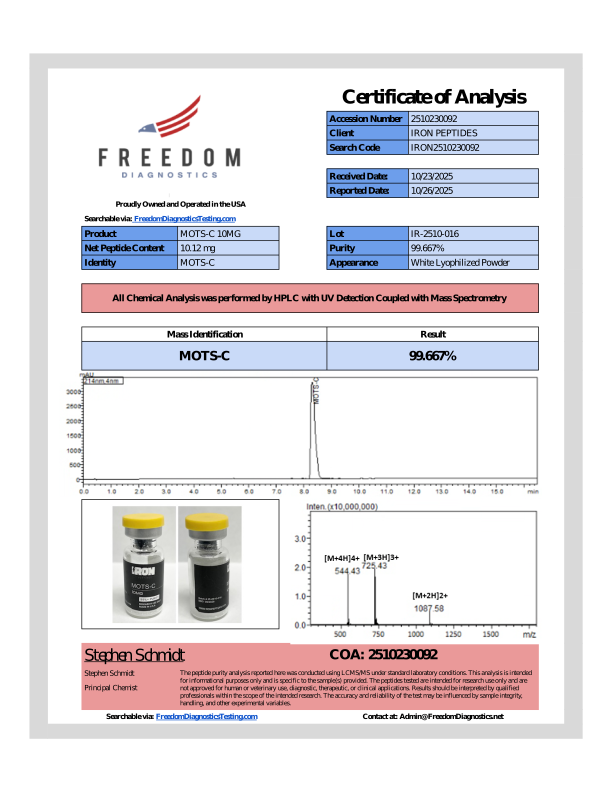
Chemical Structure of MOTS-C 10MG
Aminoacid Sequence: Met-Arg-Trp-Gin-Glu-Met-Gly-Tyr-lle-Phe-Tyr-Pro-Arg-Lys-Leu-Arg
Molecular Formula: C101 H152.N28O22,S2.
Molecular Weight: 2174.64 g/mol
PubChem SID: 255386757
CAS Number: 1627580-64-6
Synonyms: Mitochondrial open reading frame of the 12S RNA-c, MT-RNR1
What Are the Effects of MOTS-C 10MG?
Muscle metabolism
MOTS-c plays an important role in the regulation of skeletal muscle metabolism, particularly during metabolic stress and aging. It modulates key pathways involved in energy balance, mitochondrial function, and exercise-related adaptation, thereby supporting muscle performance and metabolic resilience.
1. AMPK Activation in Skeletal Muscle
It activates AMP-activated protein kinase (AMPK), a central energy sensor in muscle cells. Activation of this pathway is associated with:
- Increased glucose uptake through enhanced GLUT4 translocation
- Greater reliance on fatty acid oxidation
- Suppression of energy-intensive anabolic pathways, including mTOR signaling, which supports energy conservation during physical exertion or metabolic stress
Collectively, these effects contribute to improved muscular endurance, metabolic efficiency, and insulin responsiveness (Lee C et al., 2015).
2. Promotion of Mitochondrial Biogenesis
It stimulates the expression of peroxisome proliferator–activated receptor gamma coactivator-1α (PGC-1α), a key regulator of mitochondrial biogenesis. This promotes the generation of new mitochondria and enhances oxidative capacity in skeletal muscle, supporting sustained energy production and resistance to fatigue (Reynolds JC et al., 2021).
3. Exercise-Mimetic Properties
It reproduces certain molecular signatures of physical exercise. In preclinical studies, administration of MOTS-c improved muscle performance and physical capacity in the absence of structured exercise, suggesting potential relevance for aging or mobility-restricted populations (Lu H et al., 2019).
4. Protection Against Age-Related Muscle Decline
Circulating levels of MOTS-c decline with age, a change that has been associated with reduced muscle mass and strength. Experimental supplementation in aged animal models has been shown to preserve muscle metabolic flexibility and mitigate features of sarcopenia, potentially through improved protein turnover and enhanced insulin signaling within muscle tissue (Reynolds JC et al., 2021).
- Regulation of Insulin Sensitivity and Glucose Utilization
In skeletal muscle, MOTS-c enhances insulin sensitivity by facilitating glucose transport and limiting intramuscular lipid accumulation. These effects support efficient glucose metabolism and may reduce susceptibility to insulin resistance in experimental settings (Kim KH et al., 2018).
6. Evidence From observational Trials
Human observational studies have demonstrated that endogenous MOTS-c levels correlate with insulin sensitivity, muscle function, and metabolic health. Lower circulating MOTS-c concentrations have been observed in individuals with obesity and insulin resistance, supporting its physiological relevance in humans (Lee et al., 2019).
Early-phase translational research has highlighted MOTS-c as a candidate for future RCTs targeting age-related muscle decline and metabolic dysfunction. Well-designed randomized trials will be required to establish efficacy, optimal dosing strategies, and long-term safety in human populations.
Fat Metabolism
MOTS-c contributes to the regulation of lipid metabolism by influencing energy balance, promoting lipid utilization, and limiting excess fat storage. These effects are mediated through mitochondrial signaling pathways, activation of key metabolic regulators, and systemic endocrine-like actions across adipose tissue, liver, and skeletal muscle.
1. Promotion of Fatty Acid Oxidation
MOTS-c enhances fatty acid oxidation across multiple tissues through activation of AMP-activated protein kinase (AMPK), a primary regulator of cellular energy status. AMPK activation is associated with inhibition of acetyl-CoA carboxylase (ACC), resulting in reduced malonyl-CoA levels. This relieves inhibition of carnitine palmitoyltransferase-1 (CPT1), facilitating mitochondrial transport and oxidation of fatty acids. Collectively, these mechanisms support efficient lipid utilization and limit lipid accumulation (Lee et al., 2015).
2. Limitation of Adipose Tissue Expansion
In experimental models, sustained exposure to MOTS-c has been associated with reduced fat mass and resistance to diet-induced weight gain, without changes in caloric intake. These effects appear to be driven by increased energy expenditure and enhanced thermogenic activity, potentially involving the regulation of uncoupling proteins (UCPs) within adipose tissue (Reynolds et al., 2021).
3. Enhancement of Insulin Responsiveness in Adipocytes
It supports insulin sensitivity within adipose tissue by improving insulin signaling pathways. This facilitates glucose uptake while reducing excessive lipid synthesis and encouraging lipid mobilization. Improved adipocyte insulin responsiveness contributes to more balanced lipid turnover and reduced fat storage in preclinical studies (Kim et al., 2018).
4. Modulation of Adipokine Secretion and Inflammatory Signaling
It influences the adipose tissue microenvironment by regulating adipokine expression and attenuating pro-inflammatory cytokines, including tumor necrosis factor-α (TNF-α) and interleukin-6 (IL-6). By reducing inflammatory signaling known to impair lipid metabolism, MOTS-c promotes healthier adipose tissue function and improved lipid handling (Lu et al., 2019).
5. Protection Against Hepatic Lipid Accumulation
It also affects hepatic lipid metabolism by limiting lipid synthesis and promoting fatty acid oxidation in the liver. These actions reduce triglyceride accumulation and may protect against the development of hepatic steatosis associated with metabolic imbalance (Reynolds et al., 2021).
Role of MOTS-c in Insulin Sensitivity
It contributes to the regulation of insulin sensitivity by coordinating energy-sensing pathways, supporting glucose homeostasis, and reducing metabolic stress. Its insulin-sensitizing effects have been demonstrated primarily in cellular and animal models, particularly in settings of diet-induced obesity and insulin resistance.
1. AMPK-Mediated Regulation of Glucose Uptake
A key mechanism underlying MOTS-c action is the activation of AMP-activated protein kinase (AMPK), a central regulator of cellular energy balance. AMPK activation promotes:
- Increased translocation of GLUT4 transporters to the plasma membrane in skeletal muscle and adipose tissue
- Enhanced glucose uptake through insulin-independent mechanisms
- Improved efficiency of insulin signaling, particularly under insulin-resistant conditions
These adaptations support improved glucose utilization and metabolic flexibility in preclinical models (Lee et al., 2015).
2. Reduction of Metabolic Stress and Inflammatory Signaling
It attenuates mitochondrial oxidative stress and suppresses the expression of pro-inflammatory cytokines, including tumor necrosis factor-α (TNF-α) and interleukin-6 (IL-6), both of which are known to interfere with insulin signaling. By preserving mitochondrial function and reducing endoplasmic reticulum stress, MOTS-c supports normalization of insulin receptor activity and downstream signaling pathways (Kim et al., 2018).
3. Improved Insulin Responsiveness in Experimental Models
In animal models of diet-induced metabolic dysfunction, administration of MOTS-c has been associated with improved insulin tolerance test outcomes, lower fasting insulin concentrations, and enhanced peripheral glucose disposal. These effects were observed independently of changes in food intake or physical activity, indicating a direct role in metabolic regulation (Lee et al., 2015).
4. Stress-Responsive Nuclear Regulation of Insulin-Related Genes
Under metabolic stress, MOTS-c translocates to the nucleus and influences the transcription of genes involved in insulin signaling pathways, including components of the IRS-1, PI3K, and AKT signaling cascade. This transcriptional modulation supports sustained insulin responsiveness during conditions of energy imbalance (Kim et al., 2018).
5. Convergence with Exercise and Energy-Restriction Signaling
MOTS-c activates molecular pathways commonly associated with exercise and caloric restriction, notably AMPK and PGC-1α signaling. Through this convergence, MOTS-c induces metabolic adaptations that favor improved insulin sensitivity, supporting its characterization as an exercise-mimetic factor in experimental settings (Reynolds et al., 2021).
Role in Bone Health and Osteoporosis
It has emerged as a potential regulator of bone metabolism, with preclinical evidence suggesting a supportive role in maintaining bone integrity. Its actions appear to involve regulation of cellular energy balance, attenuation of oxidative stress, and broader metabolic effects that collectively influence skeletal health.
1. Support of Osteoblast Function
Experimental studies indicate that MOTS-c enhances osteoblast differentiation and activity, the cellular processes responsible for bone formation. This effect is linked to activation of AMP-activated protein kinase (AMPK), which supports energy homeostasis within osteoblasts and facilitates bone matrix synthesis and mineralization. AMPK activation is also associated with increased expression of RUNX2, a key transcription factor required for osteoblast development and maturation (Zhao et al., 2021).
2. Modulation of Bone Resorption
It may indirectly limit excessive bone resorption by influencing systemic factors that regulate osteoclast activity. By reducing inflammatory signaling and oxidative stress—both of which promote osteoclast differentiation—MOTS-c may help maintain a balanced bone remodeling process, thereby supporting bone mass preservation.
3. Reduction of Oxidative Stress and Mitochondrial Dysfunction
Oxidative stress and impaired mitochondrial function are major contributors to age-related bone loss. MOTS-c has been shown to reduce reactive oxygen species (ROS) production and support mitochondrial integrity in various cell types. These effects may help preserve osteocyte viability and sustain normal bone turnover under stress conditions (Kim et al., 2018).
4. Metabolic–Skeletal Crosstalk
Bone health is closely linked to systemic metabolic status. By improving insulin sensitivity, reducing adiposity, and supporting muscle function, MOTS-c may indirectly benefit skeletal integrity. Given the association between metabolic disorders and increased fracture risk, MOTS-c–mediated metabolic regulation may contribute to a more favorable skeletal environment (Lee et al., 2015).
Role of MOTS-c in Cardiometabolic Health
MOTS-c has been implicated in cardiometabolic regulation through its effects on cellular energy metabolism, oxidative stress control, and inflammatory signaling. Emerging preclinical evidence suggests that it may play a protective role in cardiovascular tissues, particularly in the context of aging and metabolic dysfunction.
1. Protection Against Ischemic Stress
In experimental models of ischemia–reperfusion injury, MOTS-c has been associated with reduced myocardial damage. These effects are linked to AMPK activation, which enhances cellular energy availability during oxygen deprivation, supports mitochondrial ATP production, and limits activation of apoptosis-related pathways in cardiomyocytes (Zhang et al., 2021).
2. Attenuation of Oxidative Stress in Cardiac Tissue
Cardiac cells are highly vulnerable to oxidative damage. MOTS-c has been shown to reduce ROS accumulation and promote antioxidant defense mechanisms through NRF2-related signaling. By preserving redox balance, MOTS-c may support cardiomyocyte survival and functional stability under metabolic stress (Kim et al., 2018).
3. Anti-Inflammatory Effects on the Cardiovascular System
Chronic inflammation contributes to vascular dysfunction and atherosclerotic progression. MOTS-c has been reported to suppress pro-inflammatory cytokines such as TNF-α and IL-6 and to inhibit NF-κB signaling, a key mediator of vascular inflammation. These actions may help protect endothelial cells and support vascular homeostasis (Lee et al., 2015).
4. Improvement of Cardiac Metabolic Efficiency
Metabolic abnormalities such as insulin resistance and lipid overload adversely affect cardiac function. By enhancing insulin responsiveness and limiting ectopic lipid accumulation, MOTS-c may support more efficient cardiac substrate utilization. Experimental studies suggest improvements in cardiac glucose handling and energy metabolism, particularly under metabolically stressful conditions (Reynolds et al., 2021).
5. Support of Vascular Function
MOTS-c may also influence vascular tone and endothelial health through AMPK-dependent mechanisms. These include enhanced endothelial nitric oxide synthase (eNOS) activity and improved vasodilatory responses, which together may help preserve vascular compliance in aging or metabolically compromised states (Lu et al., 2023).
References
- Lee C, Zeng J, Drew BG, Sallam T, Martin-Montalvo A, Wan J, et al. The mitochondrial-derived peptide MOTS-c promotes metabolic homeostasis and reduces obesity and insulin resistance. Cell Metab. 2015;21(3):443–54.
- Reynolds JC, Lai RW, Woodhead JST, Joly JH, Mitchell CJ, Cameron-Smith D, et al. MOTS-c is an exercise-induced mitochondrial-encoded regulator of age-dependent physical decline and muscle homeostasis. Nat Commun. 2021;12(1):470.
- Lu H, Buchan RJ, Cook SA. Mitochondrial peptides: a new class of signaling molecules in metabolism. Cell Metab. 2019;30(4):768–80.
- Kim KH, Son JM, Benayoun BA, Lee C. The Mitochondrial-Encoded Peptide MOTS-c Translocates to the Nucleus to Regulate Nuclear Gene Expression in Response to Metabolic Stress. Cell Metab. 2018;28(4):516–24..
- https://doi.org/10.1016/j.cmet.2015.02.009
- Zhang Y, Wang Y, Chen X, Wang D, Zhang D. MOTS-c protects against myocardial ischemia/reperfusion injury via activation of AMPK and reduction of oxidative stress. Int J Mol Sci. 2021;22(5):2453.
- Kim KH, Son JM, Benayoun BA, Lee C. The mitochondrial-encoded peptide MOTS-c translocates to the nucleus to regulate nuclear gene expression in response to metabolic stress. Cell Metab. 2018;28(4):516–24.
- Lee C, Zeng J, Drew BG, Sallam T, Martin-Montalvo A, Wan J, et al. The mitochondrial-derived peptide MOTS-c promotes metabolic homeostasis and reduces obesity and insulin resistance. Cell Metab. 2015;21(3):443–54.
- Reynolds JC, Lai RW, Woodhead JST, Joly JH, Mitchell CJ, Cameron-Smith D, et al. MOTS-c is an exercise-induced mitochondrial-encoded regulator of age-dependent physical decline and muscle homeostasis. Nat Commun. 2021;12(1):470.
Related products

Vial

Vial

Vial

Vial

Vial

Vial

Vial

Vial