
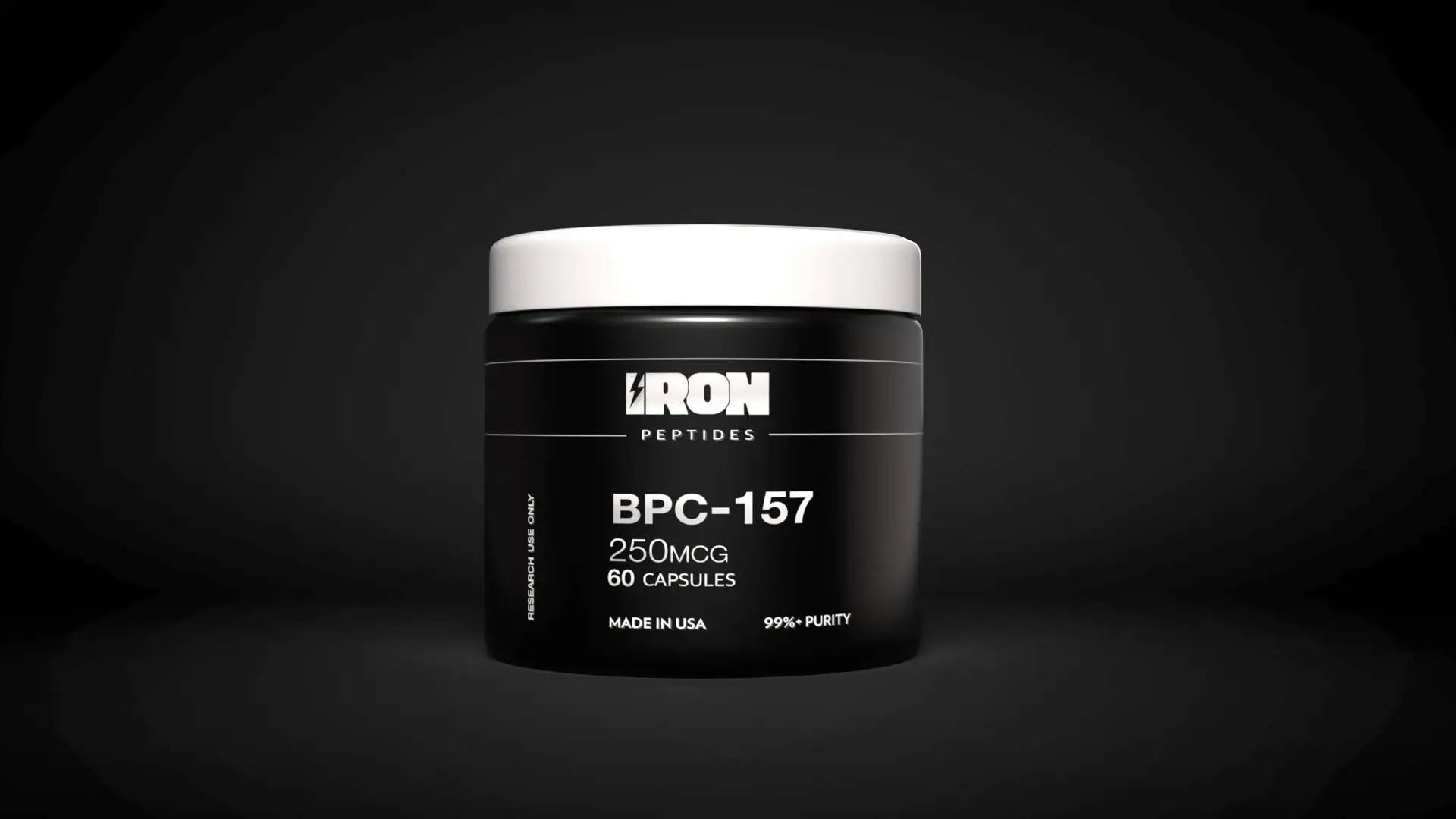
BPC-157 250MCG (60 capsules)


$109.99
🔥 Exclusive Crypto Offer
Get an INSTANT 15% DISCOUNT when you pay with Bitcoin, Ethereum, Dogecoin, Bitcoin Cash, XRP, Solana, or USDT.
bc1qd8hvazqcd69ufelrxqs6ssyz9lfgm4fv4dkc6v
⚡ Don't have crypto? Buy it here in 5 minutes with easy guidance.
What is BPC-157 250MCG (60 capsules)?
BPC-157 is a synthetic peptide derived from a protective protein found in the stomach. Known for its regenerative and anti-inflammatory properties, BPC-157 has been extensively studied for its ability to accelerate healing of tissues including muscle, tendon, ligament, and the gastrointestinal tract. This peptide plays a vital role in promoting recovery and reducing inflammation at the cellular level.
Unlike injectable forms, these oral tablets offer a convenient alternative for research involving systemic and localized healing. BPC-157 interacts with various growth factors and cellular pathways, supporting angiogenesis (formation of new blood vessels), collagen production, and tissue regeneration—making it a promising candidate for studies in injury recovery, gut health, and inflammation modulation.
Chemical Structure of BPC-157 250MCG (60 capsules)
BPC-157, also known as Body Protection Compound-157, is a 15-amino acid peptide derived from human gastric juice.
The chemical sequence of BPC-157 is as follows:
Gly-Glu-Pro-Pro-Pro-Gly-Lys-Pro-Ala-Asp-Asp-Ala-Gly-Leu-Val
What Are the Effects of BPC-157 250MCG (60 capsules)?
Accelerated Wound and Tissue Healing
BPC-157 has shown the ability to significantly speed up the healing of soft tissues, including muscles, tendons, ligaments, and nerves. It is thought to work by upregulating growth factors and promoting angiogenesis, which enhances blood flow to injured areas and supports faster recovery.
Gastrointestinal Protection and Repair
Originally identified in the stomach lining, BPC-157 exhibits powerful protective effects in the gastrointestinal system. It has been studied for its potential to heal ulcers, reduce intestinal inflammation, and support gut lining integrity, making it an area of interest in inflammatory bowel disease research.
Anti-Inflammatory Activity
BPC-157 helps reduce pro-inflammatory markers, contributing to its therapeutic potential in treating injuries, joint pain, and inflammatory conditions. Its systemic anti-inflammatory action supports both acute and chronic recovery applications.
Supports Joint and Connective Tissue Health
Studies suggest that BPC-157 enhances collagen synthesis and promotes the repair of connective tissues, making it highly relevant for research involving arthritis, joint degeneration, and overuse injuries.

Related products
Capsules
Capsules

Capsules
Capsules
Capsules


Capsules