
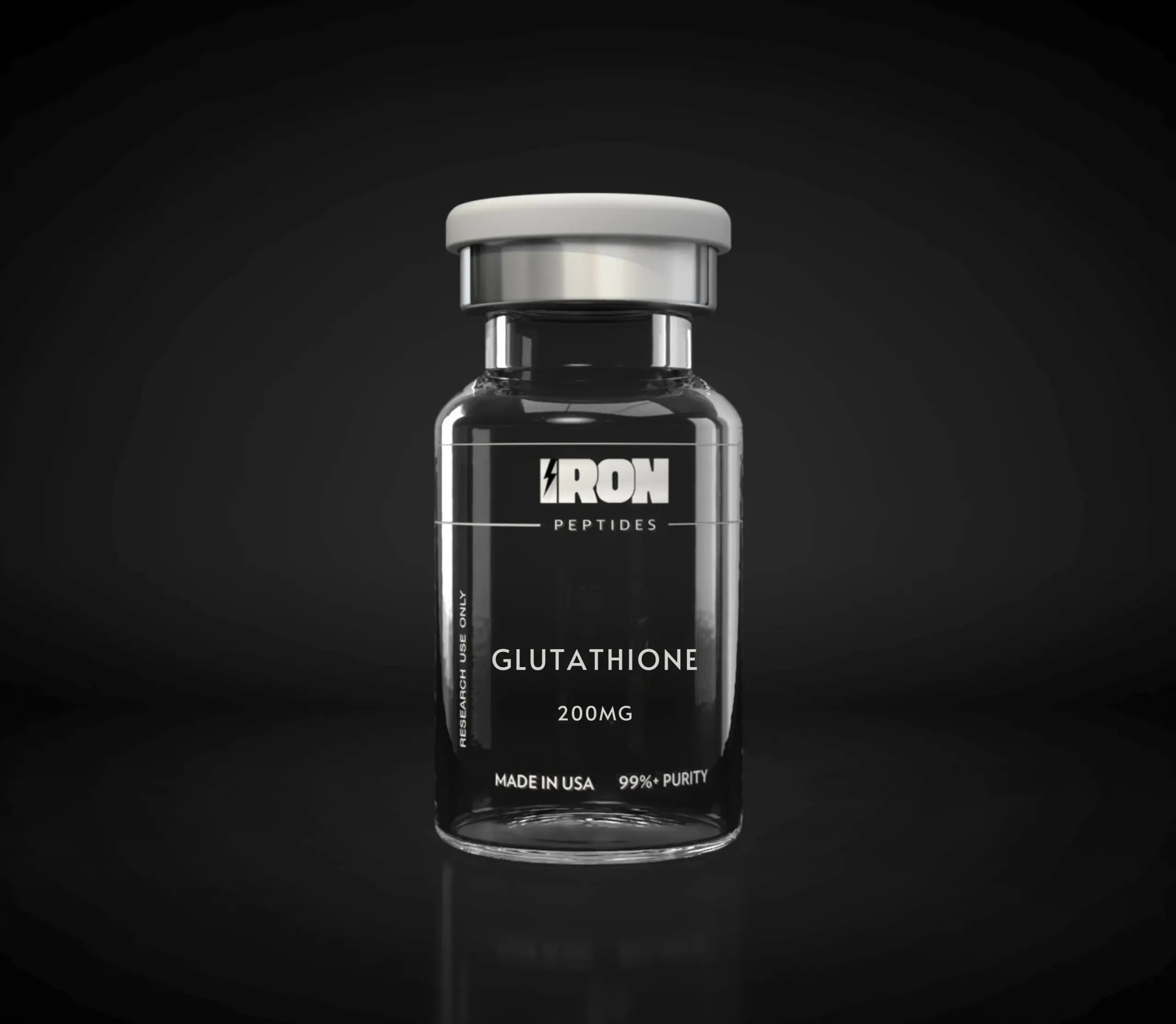
L-Glutathione (200MG)

$39.99
🔥 Exclusive Crypto Offer
Get an INSTANT 15% DISCOUNT when you pay with Bitcoin, Ethereum, Dogecoin, Bitcoin Cash, XRP, Solana, or USDT.
bc1qd8hvazqcd69ufelrxqs6ssyz9lfgm4fv4dkc6v
⚡ Don't have crypto? Buy it here in 5 minutes with easy guidance.
What is L-Glutathione (200MG)?
L-Glutathione (often abbreviated “GSH”) is a naturally occurring tripeptide made up of the amino acids glycine, cysteine and glutamic acid. It is produced in many tissues (especially the liver) and functions as a major cellular antioxidant, helping to protect cells from oxidative stress and participate in detoxification processes.
Chemical Structure of L-Glutathione (200MG)
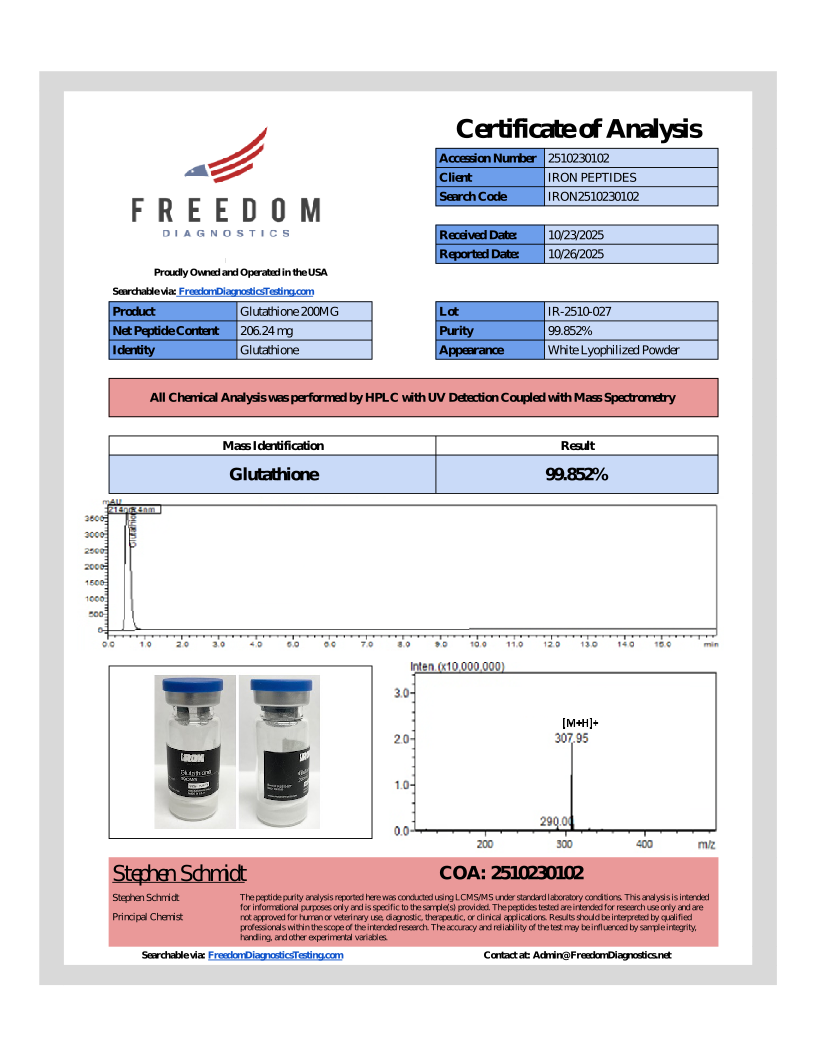
Glutathione’s chemical composition is described as γ-L-glutamyl-L-cysteinyl-glycine. Structurally, it features a peptide linkage between the γ-carboxyl of glutamate and the amino group of cysteine (a “γ-glutamyl” bond), then linked to glycine; the cysteine residue contributes a sulfhydryl (–SH) group which is central to its redox activity. While I did not locate a definitive single molecular weight listed for “Glutathione 200 mg” as a product, standard reduced glutathione (GSH) has a molecular weight of ~307 Da.
What Are the Effects of L-Glutathione (200MG)?
-
As a key intracellular antioxidant, glutathione helps neutralize free radicals and reactive oxygen species (ROS), thereby protecting cells and tissues from oxidative damage.
-
It supports detoxification, especially in the liver, by participating in conjugation reactions and regeneration of other antioxidants (like vitamins C and E).
-
Research suggests that supplementation of glutathione may influence skin features (such as pigmentation and wrinkle formation) in small human trials.
-
Some studies show potential benefits in improving insulin sensitivity, liver cell protection, and reducing oxidative stress in certain disease models—but the evidence remains preliminary and not conclusive for broad therapeutic use.
-
Important safety and regulatory note: intraveneous glutathione (especially compounded preparations) has been associated with adverse events; regulatory bodies like the Food and Drug Administration (FDA) have issued warnings about unapproved injectable glutathione products.
Research-Use Disclaimer:
This product is for laboratory and research purposes only. It is not intended for human therapeutic use, and the statements above reflect scientific research—not approved medical treatments.
Related products
Vial
Vial
Vial
Vial
Vial

Vial
Vial
Vial