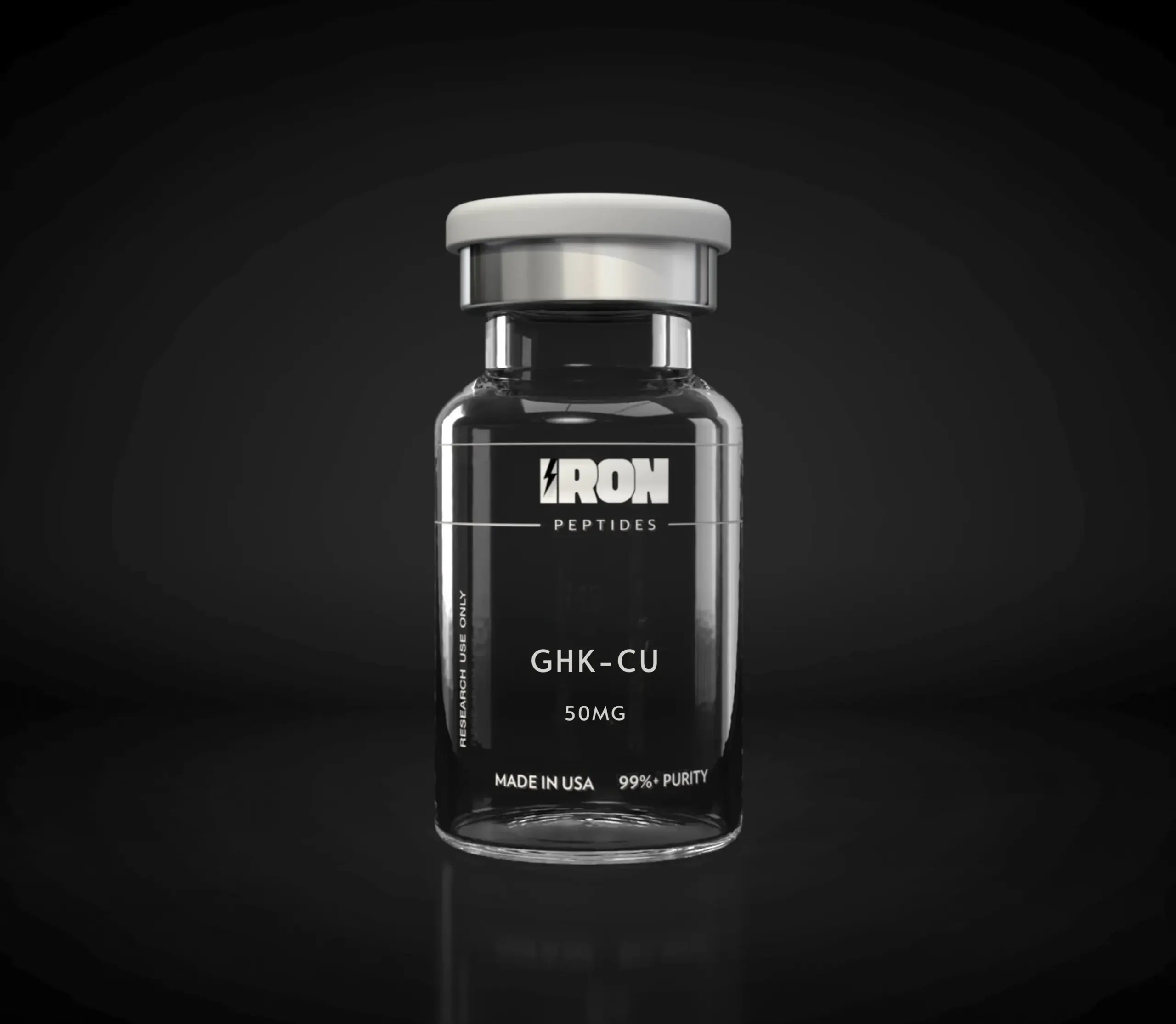
GHK-Cu
Price range: $74.99 through $109.99
🔥 Exclusive Crypto Offer
Get an INSTANT 15% DISCOUNT when you pay with Bitcoin, Ethereum, Dogecoin, Bitcoin Cash, XRP, Solana, or USDT.
bc1qd8hvazqcd69ufelrxqs6ssyz9lfgm4fv4dkc6v
⚡ Don't have crypto? Buy it here in 5 minutes with easy guidance.
What is GHK-Cu?
GHK-Cu is a naturally occurring copper-binding tripeptide consisting of glycyl-L-histidyl-L-lysine complexed with a copper(II) ion. First identified in human plasma in 1973, this peptide–metal complex plays an important role in tissue remodeling, wound healing, and cellular regeneration in laboratory research.
In experimental studies, GHK-Cu has been shown to promote collagen and glycosaminoglycan synthesis, enhance angiogenesis, and modulate gene expression associated with skin repair and anti-inflammatory responses. Its strong copper affinity also allows it to act as a safe copper transporter in biological systems, supporting antioxidant defenses and cellular metabolism.
Chemical Structure of GHK-Cu
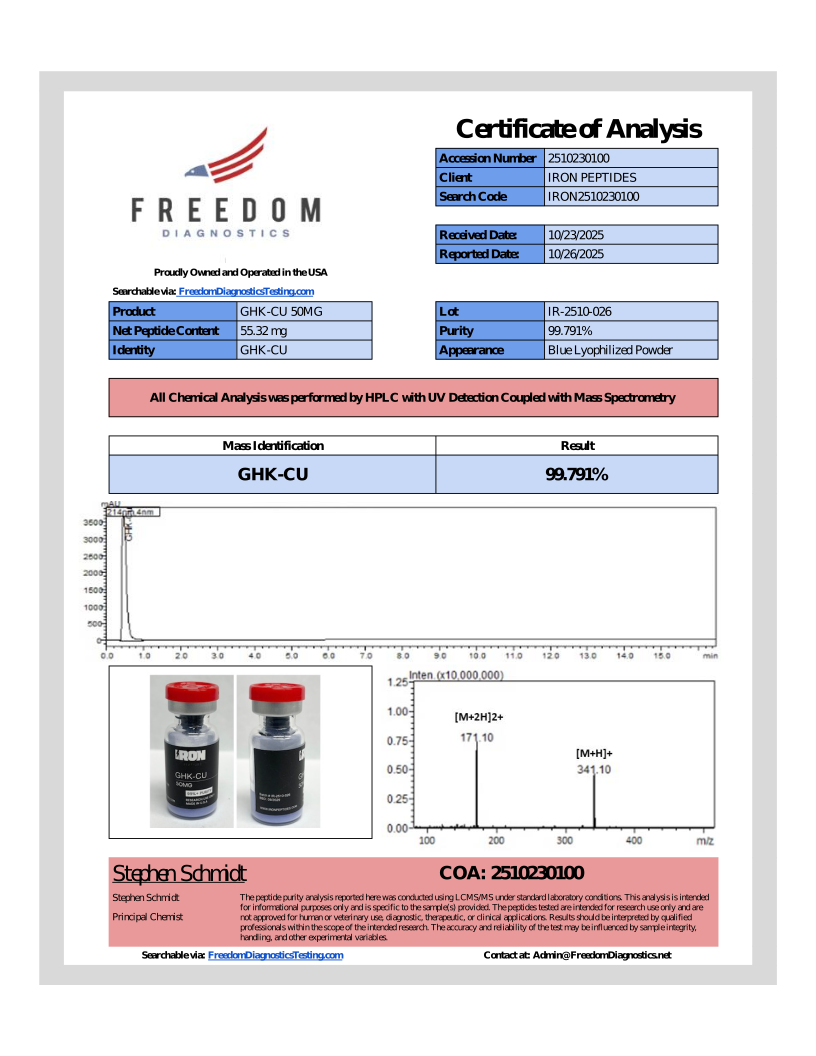
GHK-Cu has the molecular formula C₁₄H₂₃CuN₆O₄ and a molecular weight of approximately 401.91 g/mol.
It is a tripeptide–copper(II) complex where the copper ion coordinates with the nitrogen atoms of the glycine and histidine residues and the oxygen of lysine, forming a square-pyramidal structure. This arrangement stabilizes the copper ion and prevents oxidative damage.
The peptide sequence (Gly-His-Lys) confers high biological compatibility and efficient tissue penetration, making GHK-Cu a widely studied compound in biochemical and dermatological research models.
What Are the Effects of GHK-Cu?
-
Wound Healing & Regeneration: In preclinical models, GHK-Cu enhances fibroblast migration, collagen deposition, and angiogenesis, accelerating tissue repair and improving extracellular matrix quality.
-
Anti-Inflammatory & Antioxidant Activity: It upregulates antioxidant enzymes such as superoxide dismutase (SOD) and catalase while reducing inflammatory cytokines, protecting cells from oxidative damage.
-
Gene Modulation: Studies show GHK-Cu influences over 400 human genes involved in growth, repair, and immune regulation, including pathways related to cell adhesion and proteostasis.
-
Skin & Hair Research: Laboratory investigations demonstrate improved skin elasticity, reduced inflammatory markers, and stimulation of hair follicle activity, making GHK-Cu a focus of cosmetic and dermatological research.
Important Research-Use Disclaimer:
GHK-Cu is provided for laboratory and research purposes only. It is not intended for human or veterinary use, consumption, or therapeutic application.
Related products
Vial

Vial
Vial
Vial
Vial