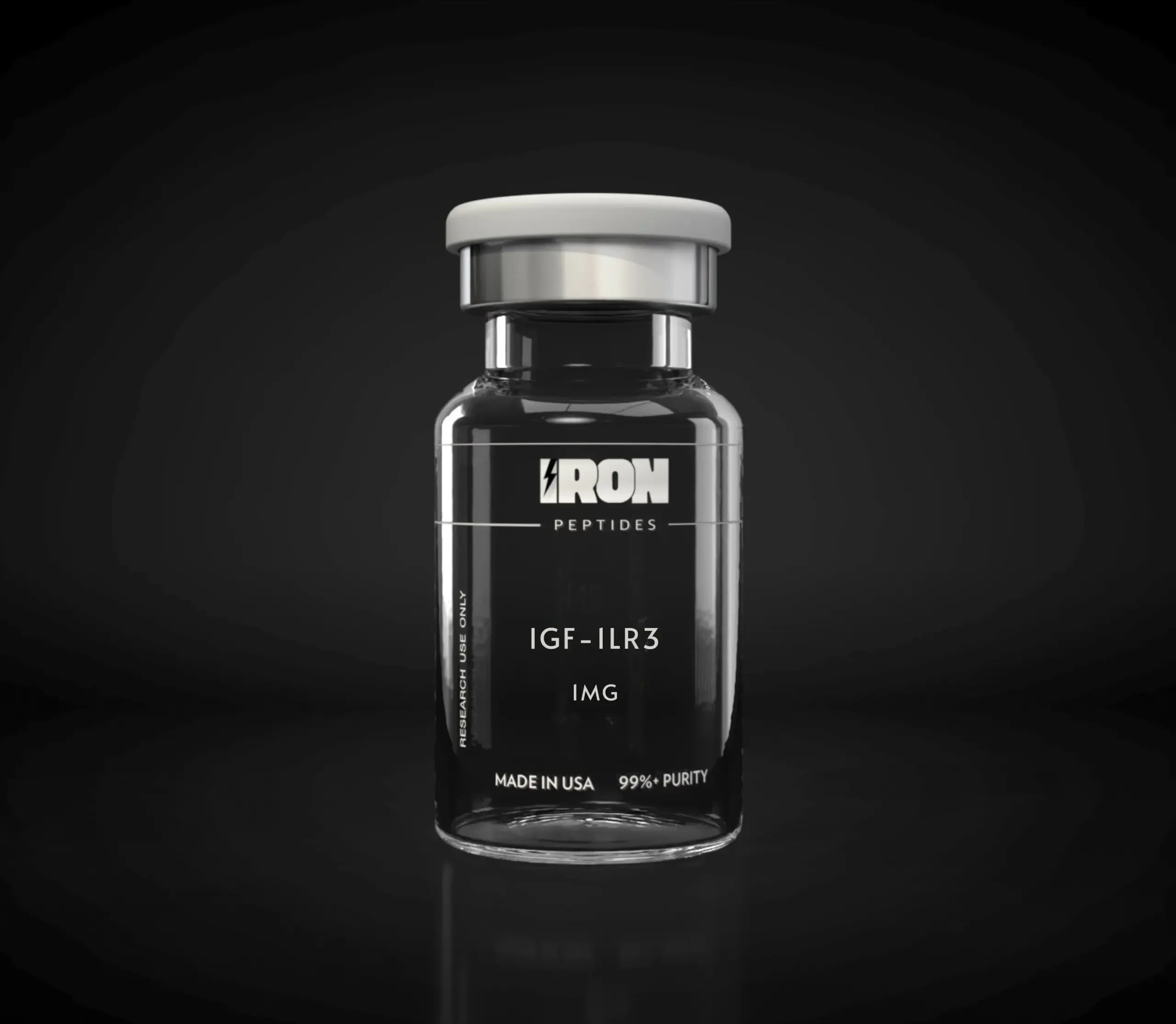
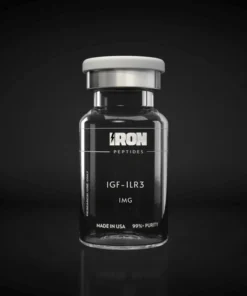
IGF-1 LR3 1MG
$89.99
🔥 Exclusive Crypto Offer
Get an INSTANT 15% DISCOUNT when you pay with Bitcoin, Ethereum, Dogecoin, Bitcoin Cash, XRP, Solana, or USDT.
bc1qd8hvazqcd69ufelrxqs6ssyz9lfgm4fv4dkc6v
⚡ Don't have crypto? Buy it here in 5 minutes with easy guidance.
What is IGF-1 LR3 1MG?
IGF-1 LR3 (Insulin-like Growth Factor-1 Long Arginine 3) is a recombinant analogue of human IGF-1, modified to enhance stability and bioavailability. It differs from native IGF-1 by substitution of an arginine for glutamic acid at position 3 and the addition of 13 amino acids to the N-terminus. These changes reduce binding to IGF-binding proteins, extending its half-life and enabling prolonged biological activity. IGF-1 LR3 functions as a potent growth-factor agonist, influencing cellular proliferation, differentiation, and repair in laboratory settings.
Chemical Structure of IGF-1 LR3 1MG
-
Sequence: MFPAMPLSSL FVNGPRTLCG AELVDALQFV CGDRGFYFNK PTGYGSSSRR APQTGIVDEC CFRSCDLRRL EMYCAPLKPA KSA
-
Molecular Formula: C₄₀₀H₆₂₅N₁₁₁O₁₁₅S₉
-
Molecular Weight: ≈ 9117.5 Da
-
CAS Number: 946870-92-4
This engineered peptide shares tertiary similarity to endogenous IGF-1 but exhibits markedly reduced affinity for serum IGF-binding proteins, resulting in a plasma persistence approximately 120 times longer than native IGF-1.
What Are the Effects of IGF-1 LR3 1MG?
-
Cellular Proliferation: Stimulates mitogenesis and differentiation in muscle, bone, and connective tissue models; promotes cell division in hepatic, renal, neural, and epithelial systems.
-
Metabolic Regulation: Interacts with both IGF-1 and insulin receptors, enhancing glucose uptake and influencing lipid metabolism in preclinical studies.
-
Myostatin Modulation: Evidence from murine and in-vitro models suggests IGF-1 LR3 attenuates myostatin signaling, supporting muscle regeneration and protecting myoblasts from apoptosis.
-
Tissue Repair and Longevity Research: Investigated for its role in supporting tissue maintenance and repair, and in delaying cellular senescence in mammalian aging studies.
-
Glucocorticoid Interaction: Experimental data indicate potential mitigation of glucocorticoid-induced muscle wasting in research models.
Research-Use Disclaimer:
IGF-1 LR3 is supplied strictly for laboratory and research purposes only. It is not approved for human or veterinary use. All biological effects described above are derived from preclinical or in-vitro data and should not be interpreted as clinical outcomes.
Related products
Vial
Vial
Vial
Vial
Vial
Vial
Vial
Vial