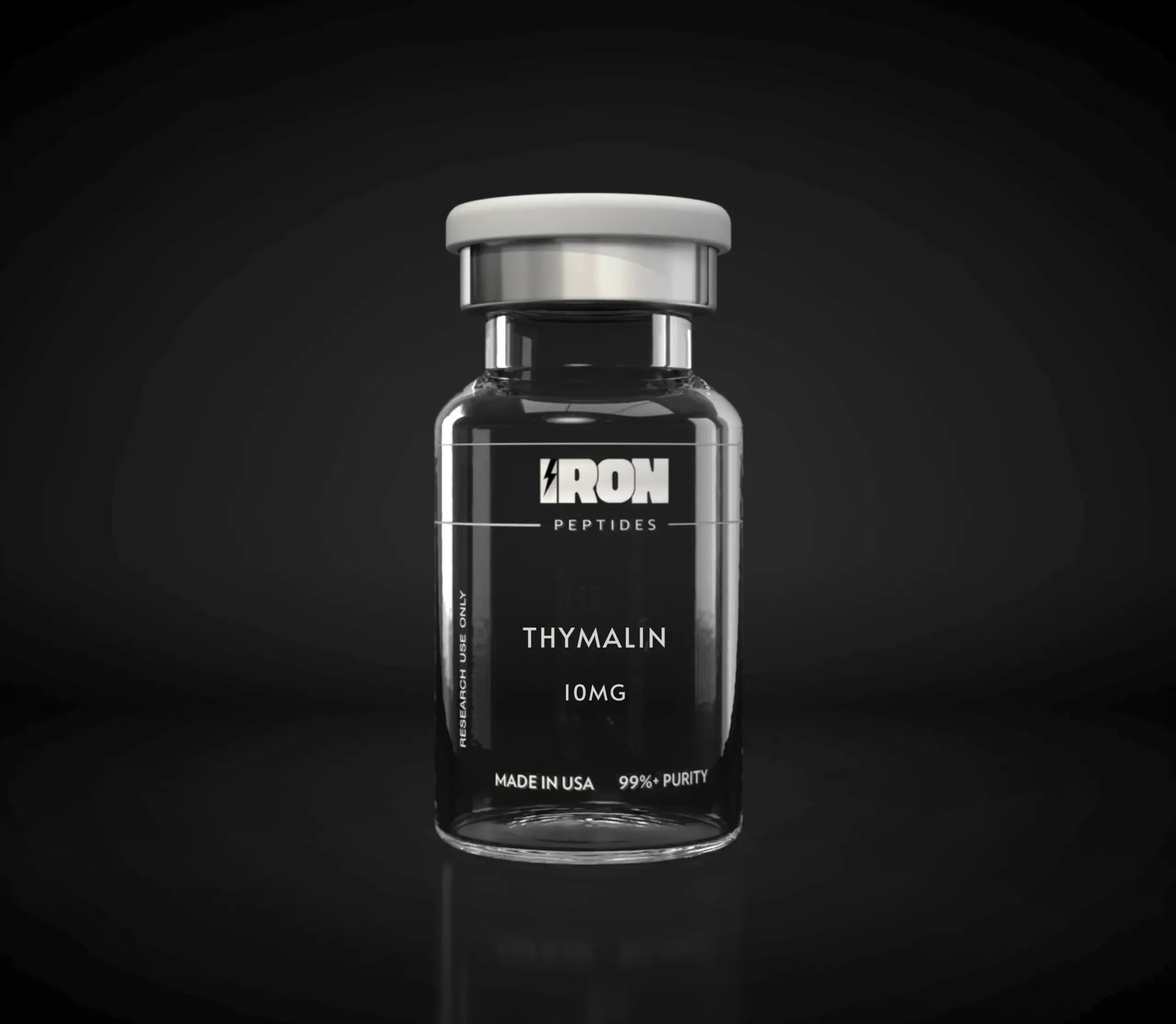
Thymalin

$119.99
🔥 Exclusive Crypto Offer
Get an INSTANT 15% DISCOUNT when you pay with Bitcoin, Ethereum, Dogecoin, Bitcoin Cash, XRP, Solana, or USDT.
bc1qd8hvazqcd69ufelrxqs6ssyz9lfgm4fv4dkc6v
⚡ Don't have crypto? Buy it here in 5 minutes with easy guidance.
What is Thymalin?
Thymalin is a synthetic nonapeptide derived from calf thymus, consisting of a natural polypeptide complex known as thymulin. It is composed of short active fragments—such as EW, KE, and EDP peptides—that regulate the differentiation, proliferation, and functional activity of immune cells, particularly T-lymphocytes and natural killer (NK) cells. Thymalin is employed in research to explore immune modulation, hematopoiesis, geroprotection, and epigenetic regulatory mechanisms.
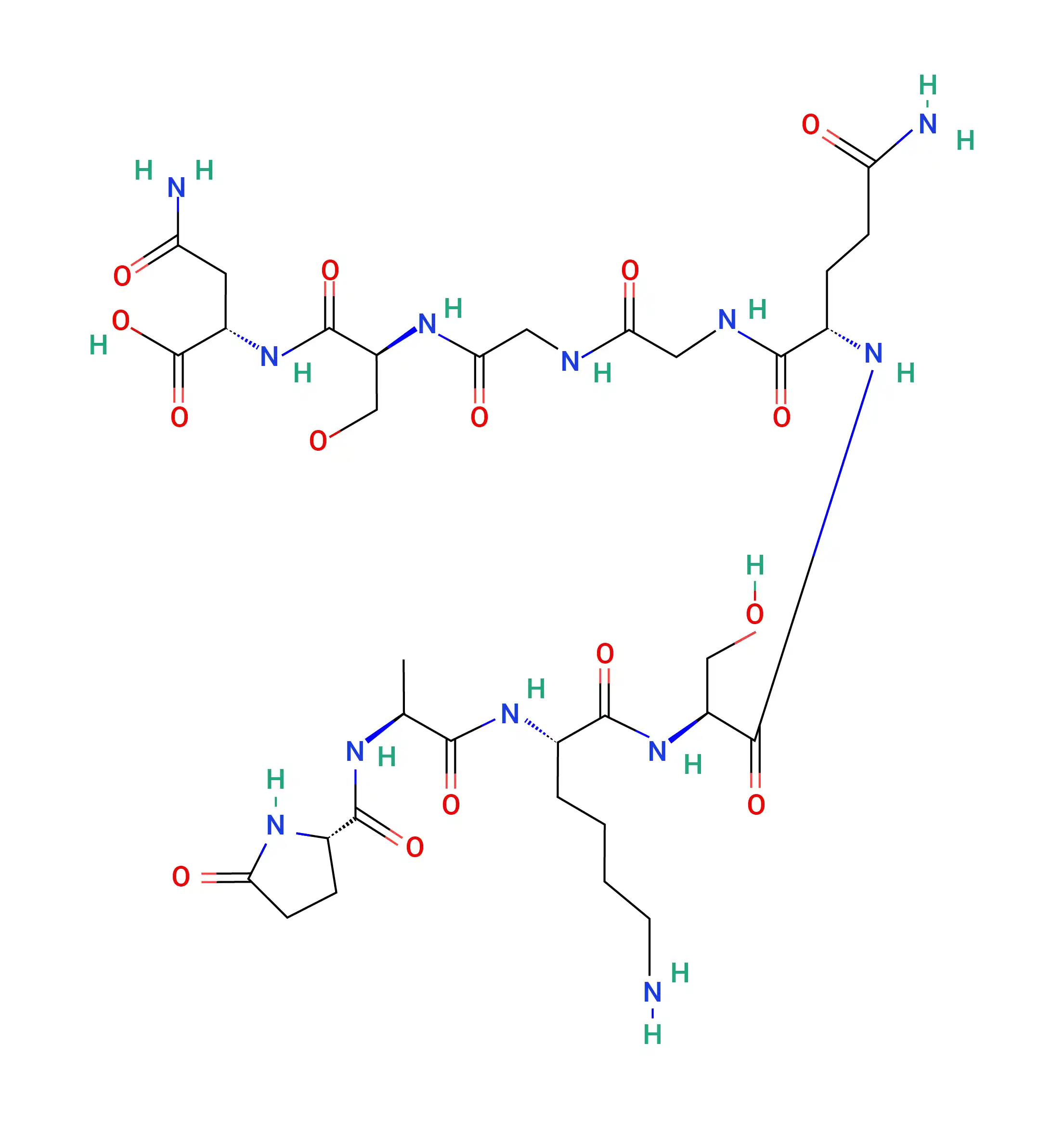
Chemical Structure of Thymalin
Thymalin’s active nonapeptide, thymulin, possesses the sequence Pyr–Ala–Lys–Ser–Gln–Gly–Gly–Ser–Asn–OH, with a molecular weight of 858.9 Da (PubChem CID 3085284). The preparation also contains short dipeptides (EW, KE) and a tripeptide (EDP), which contribute to its biological activity by interacting with DNA and histone proteins to epigenetically modulate gene expression linked to immune and regenerative functions.
What Are the Effects of Thymalin?
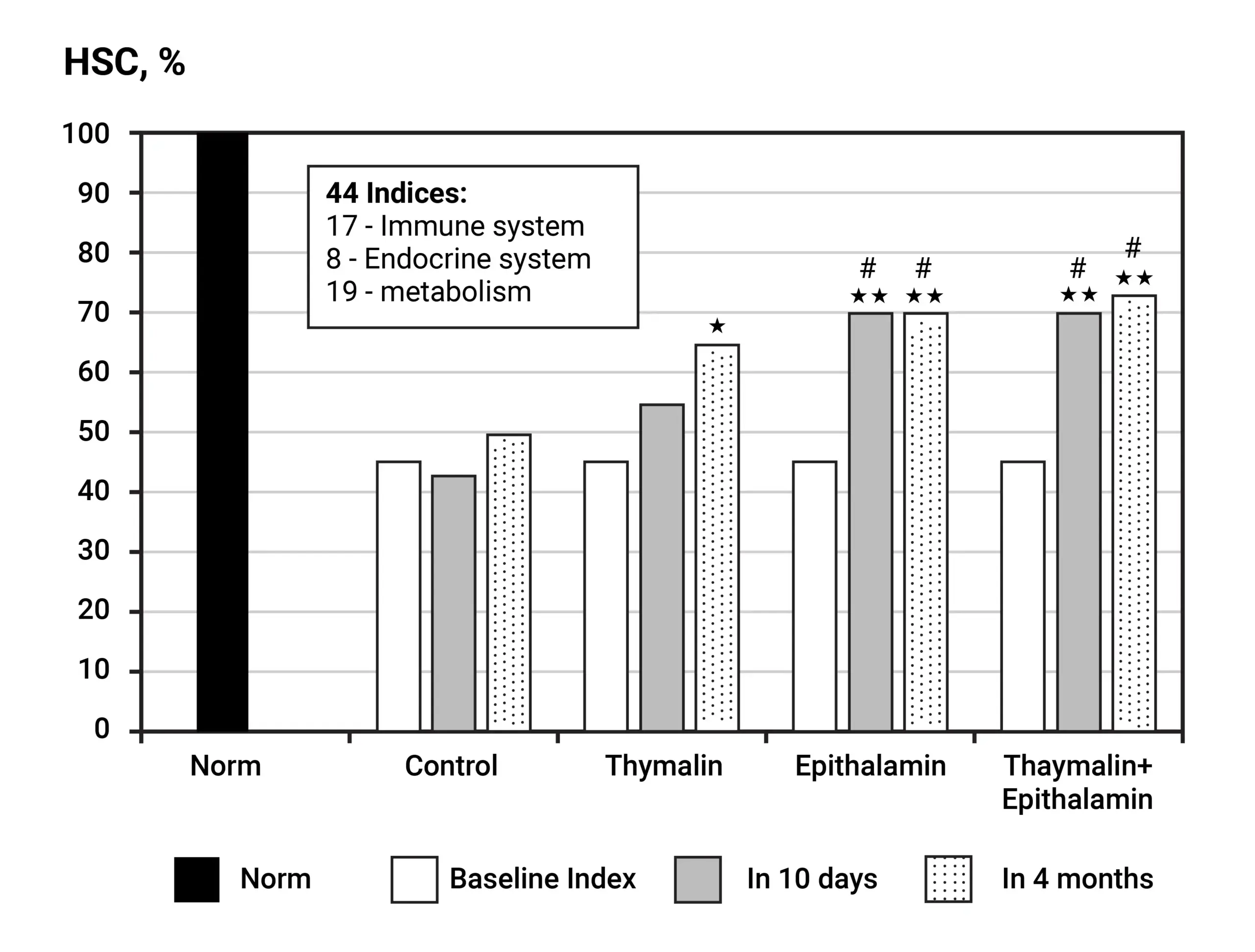
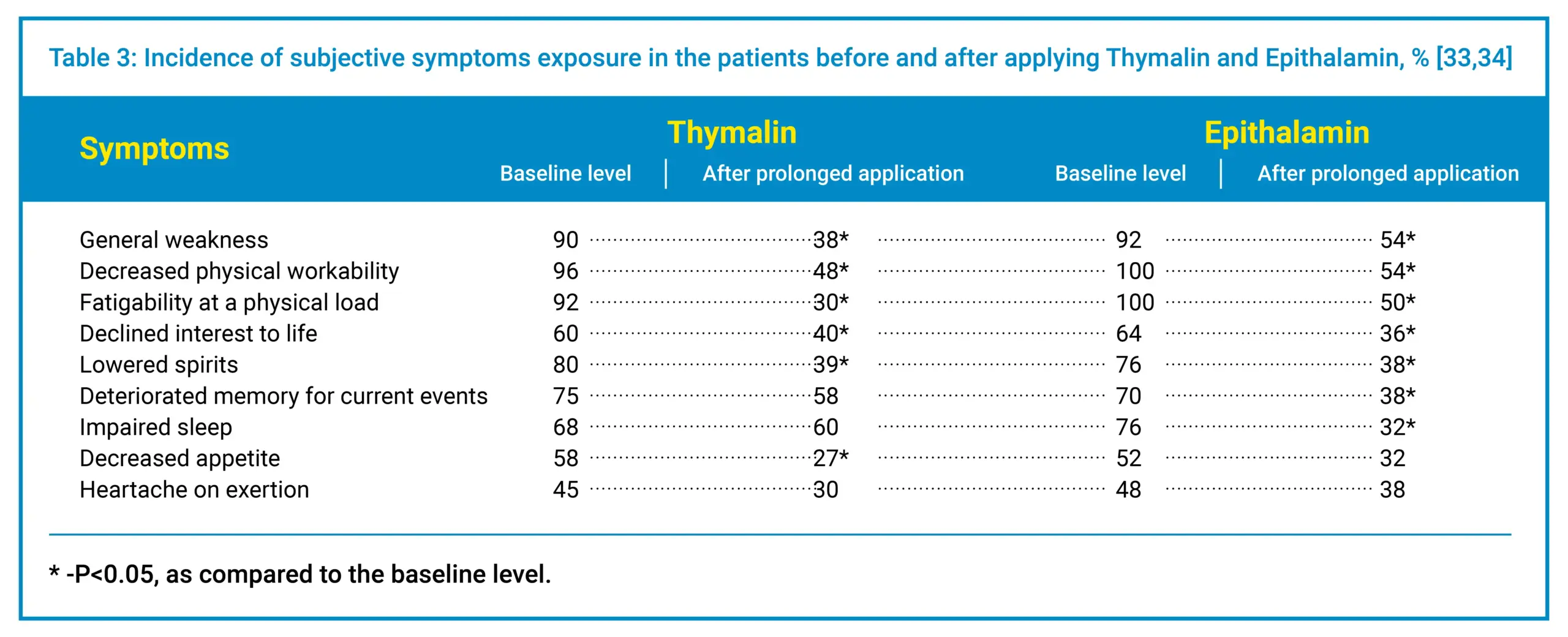
- Lymphocyte Differentiation & Immune Regulation: Thymalin enhances differentiation of hematopoietic stem cells (HSCs) into mature CD28⁺ T‑lymphocytes, while reducing markers such as CD117 and CD44 associated with immature or apoptotic cells.
- Immunomodulation & Anti‑Inflammatory Action: It suppresses excessive pro-inflammatory cytokine production (e.g., IL‑1β, IL‑6, TNF‑α) and promotes regulatory cytokines, acting via NF‑κB and MAPK pathways in LPS stimulation models.
- Hematopoiesis & Regeneration: Thymalin normalizes hematopoietic function by supporting T and B cell populations, NK cell activity, and blood coagulation balance during recovery after chemotherapy or infection.
- Geroprotection & Aging Resistance: Studies in aged animals show regulation of gerontogenes and heat shock proteins, structural restoration of immunity, and reduced infection incidence—supporting its role in geroprotective mechanisms.
- Epigenetic Gene Regulation: The EW and KE peptide components bind histones and double-stranded DNA to modulate transcription of immune-related genes, including those involved in inflammation, regeneration, fibrinolysis, and apoptotic pathways.
Citations
- PubChem Compound Summary for Thymulin (CID 3085284): sequence Pyr–Ala–Lys–Ser–Gln–Gly–Gly–Ser–Asn; MW 858.9 Da.
- peptides.guide entry “Thymalin”: immunomodulatory short peptide complex, T/NK cell regulation.
- Khavinson VKh, Linkova NS, Chalisova NI, Ivko OM, “The Use of Thymalin for Immunocorrection and Molecular Aspects of Biological Activity,” Biology Bulletin Reviews.
- Khavinson VKh, Kuznik BI, Shapovalov KG, et al. “Peptide Drug Thymalin Regulates Immune Status in Severe COVID‑19 Older Patients,” Advances in Gerontology.
- peptides.guide: sequence and formula details.
- Shao Y, et al. “Immunomodulatory effect of Thymalin active peptides EW and KE in LPS‑induced inflammation” Int J Mol Sci.
- Morozov VG & Khavinson VK. “Natural and synthetic thymic peptides as therapeutics for immune dysfunction,” Int. J. Immunopharmacol.

Related products
Vial
Vial
Vial
Vial
Vial
Vial